

An unsung hero in the packaging validation process is feasibility testing. This process is a gut check for your validation journey and can save you valuable time and money down the road. During the concept phase, when you have a rough idea of your packaging design, it is recommended to perform feasibility testing to build confidence in your proposed sterile barrier systems. “ISO 11607 emphasizes the value of early evaluations,” says Devon Buckley, Engineering Manager at PCL. This push in the standards is what makes feasibility testing a desirable option. You’re able to identify potential concerns before committing to a full-scale validation.
Today we’ll define feasibility testing, emphasize the importance of it, and set you up with everything you need to know to confidently begin testing.
What is feasibility testing?
Feasibility testing is early-stage testing that will give you preliminary results for how your actual validation will go. It gives you the ability to make adjustments early on in the validation process so you can avoid costly delays down the line. Since roughly 30% of all transit studies fail, feasibility testing acts like an insurance policy for your sterile packaging validation process. These studies allow you to feel prepared going into the investment of a full validation. Feasibility testing happens during the concept phase of your packaging design, so you don’t have to have all of the details locked in. Testing is done using a rough idea of your desired packaging design and mock materials.
Where to Start
Fit checks happen during feasibility testing to see if the device fits properly in your proposed packaging system. These fit checks can give you an idea of where you might see a failure. For example, if the device is clearly pushing against the film of a pouch design, you can infer that you’ll probably see a tear or abrasion after transit testing. Now you can consider an alternate design before you move forward with your validation.
Common Failures
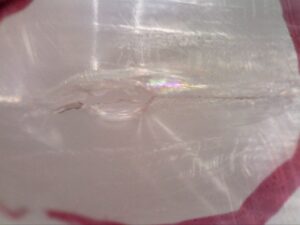
Some additional failures often seen during these tests are pinholes, punctures, and tears. If there are fit concerns, as previously mentioned, you might have a product design that has sharp, protruding geometries that will need protective packaging to pass testing. Other examples include pinching and scrunching of materials and devices dislodging from the tray.
Common Roadblocks
Determining which packaging configuration to test is one of the big roadblocks that a packaging engineer might face. When you’re in that initial design phase you might have a few designs that you’re considering. Feasibility testing is a game changer for overcoming this roadblock because you can test more than one type of design to see which one best meets your requirements without holding up your timeline. With multiple designs it might be helpful to consider a “bookend” worst-case configuration for your testing.
Sourcing mock materials can be another common roadblock. Vendors might require a larger amount for certain materials than you need. The best way to overcome this roadblock is to be creative. For example, 3D printed devices are becoming increasingly popular for those who are struggling to get their hands on mock materials.
Why isn’t feasibility testing a standard practice for every validation study?
“In my experience, I’ve seen a lot of people say that their device is very similar to devices already on the market, so they don’t foresee that they’re going to have any issues,” says Buckley. But this mindset can be a gamble when you’re considering the time and money that is needed for a full validation. Oftentimes it is simply a lack of understanding of the benefits of feasibility testing that prevents professionals from utilizing these tests.
Key Takeaways
Feasibility testing is a critical, yet often overlooked, step in the packaging validation process that can save valuable time and cut down on expenses. Conducted during the concept phase, this early-stage testing provides preliminary insights into how a proposed packaging system will perform, allowing engineers to identify and correct potential issues, such as fit problems, punctures, or tears, before committing to a full-scale validation. Feasibility testing acts as a risk mitigation tool, helping to refine packaging designs and compare multiple configurations. Ultimately, incorporating feasibility testing builds confidence in packaging performance, reduces the likelihood of costly validation failures, and ensures a smoother path to a successful product launch.
