

Confidence in Your Container Closure System
Leaks in pharmaceutical packaging can compromise sterility, stability, and product quality. CCI testing evaluates whether a container closure system provides the protection required for its intended use.
Whether you are developing a new packaging configuration, preparing for validation, or investigating a suspected failure, PCL can support your project with testing and technical guidance.
Our testing capabilities support:
- Packaging development and comparisons.
- Container closure system qualification.
- Validation activities.
- Stability studies.
- Manufacturing investigations and troubleshooting.
Explore Our CCI Testing Capabilities
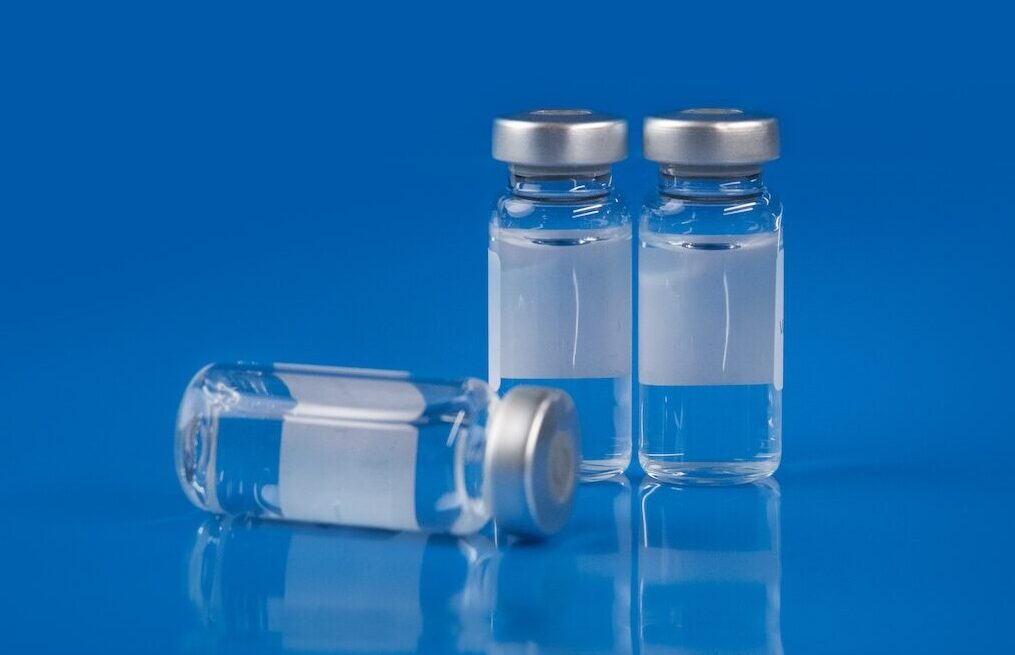
Laser-based headspace gas analysis (HGA) measures gases within a sealed container’s headspace to identify changes that may indicate compromised integrity. This deterministic, non-destructive method allows suitable samples to be evaluated repeatedly, making it particularly useful for stability studies and controlled-atmosphere packaging.

Helium leak testing uses helium as a tracer gas to detect and quantify leaks in container closure systems. This sensitive, deterministic method provides numerical leak-rate data to support packaging development, qualification, validation, and investigations.

Pressure decay testing evaluates leakage by monitoring pressure changes over a controlled test period. This deterministic approach can support engineering evaluations and validation studies, with method suitability and sample preservation determined by the product and test configuration.
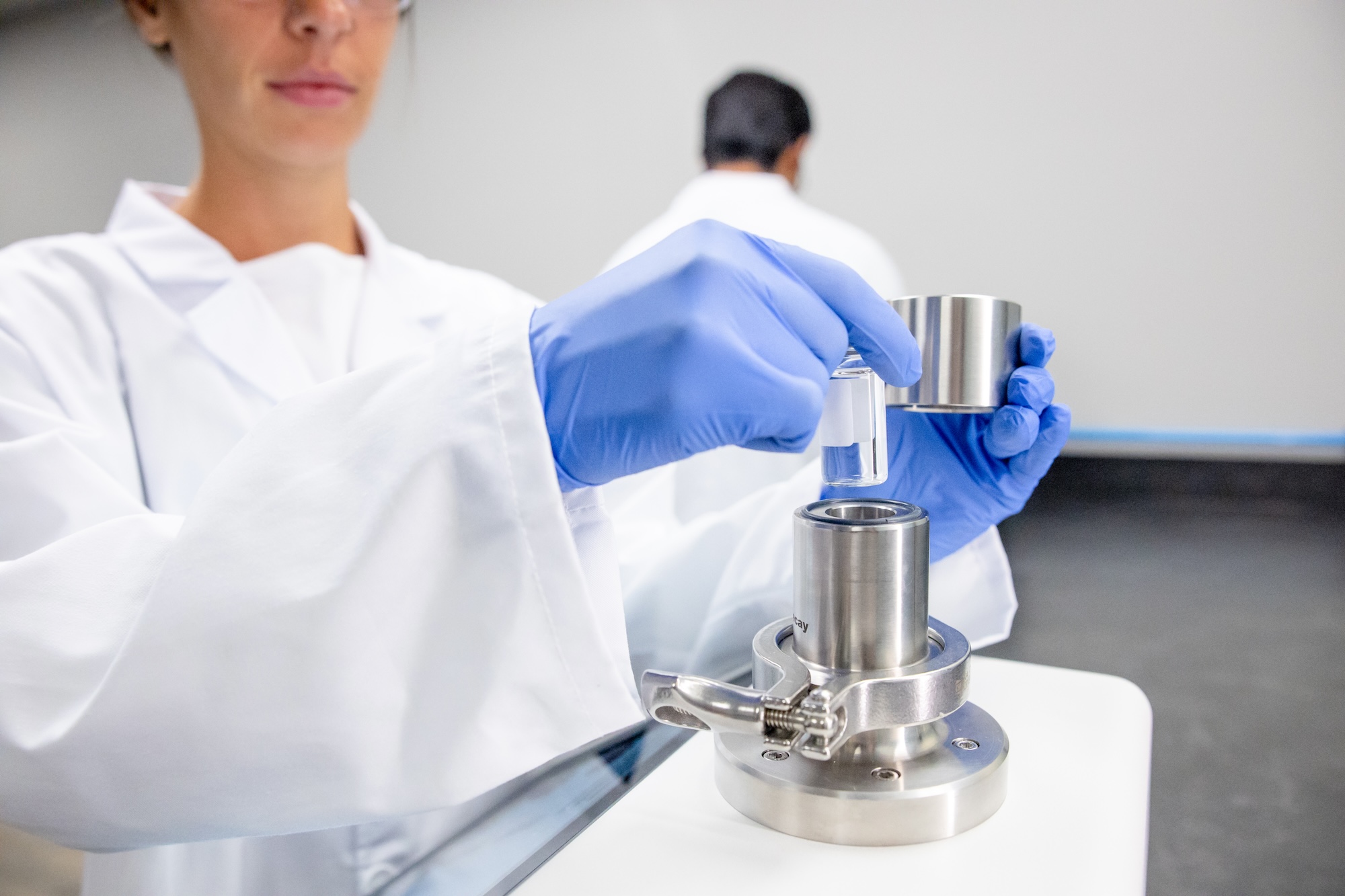
Vacuum decay testing detects leaks by measuring pressure changes within a chamber containing the package. This deterministic, non-destructive method evaluates suitable nonporous packaging and can support development, validation, stability studies, and failure investigations.
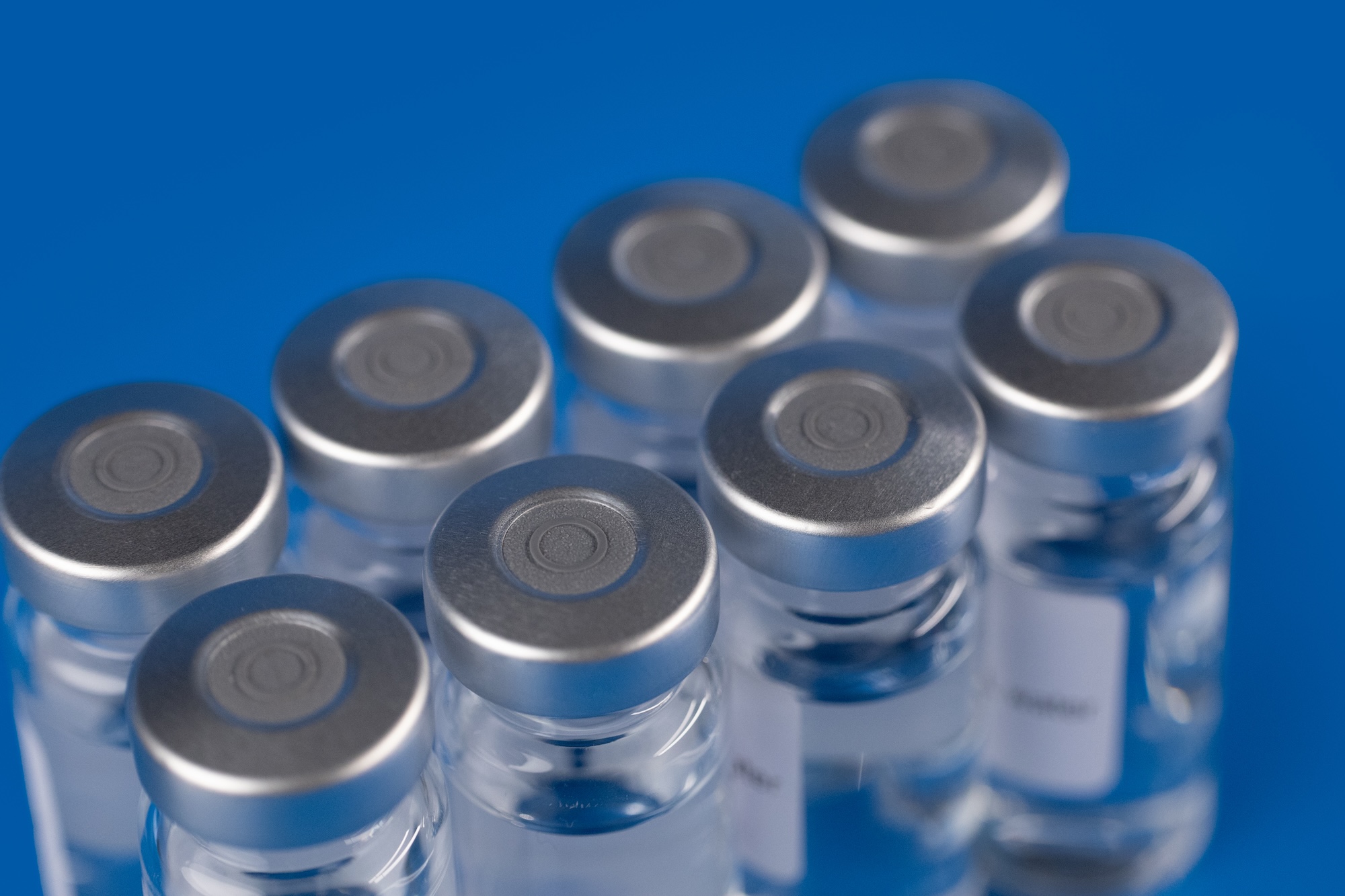
Dye penetration testing uses a colored solution to reveal leak paths and seal defects in applicable packaging systems. This destructive, probabilistic method provides visual evidence that can support packaging development, validation, and troubleshooting.
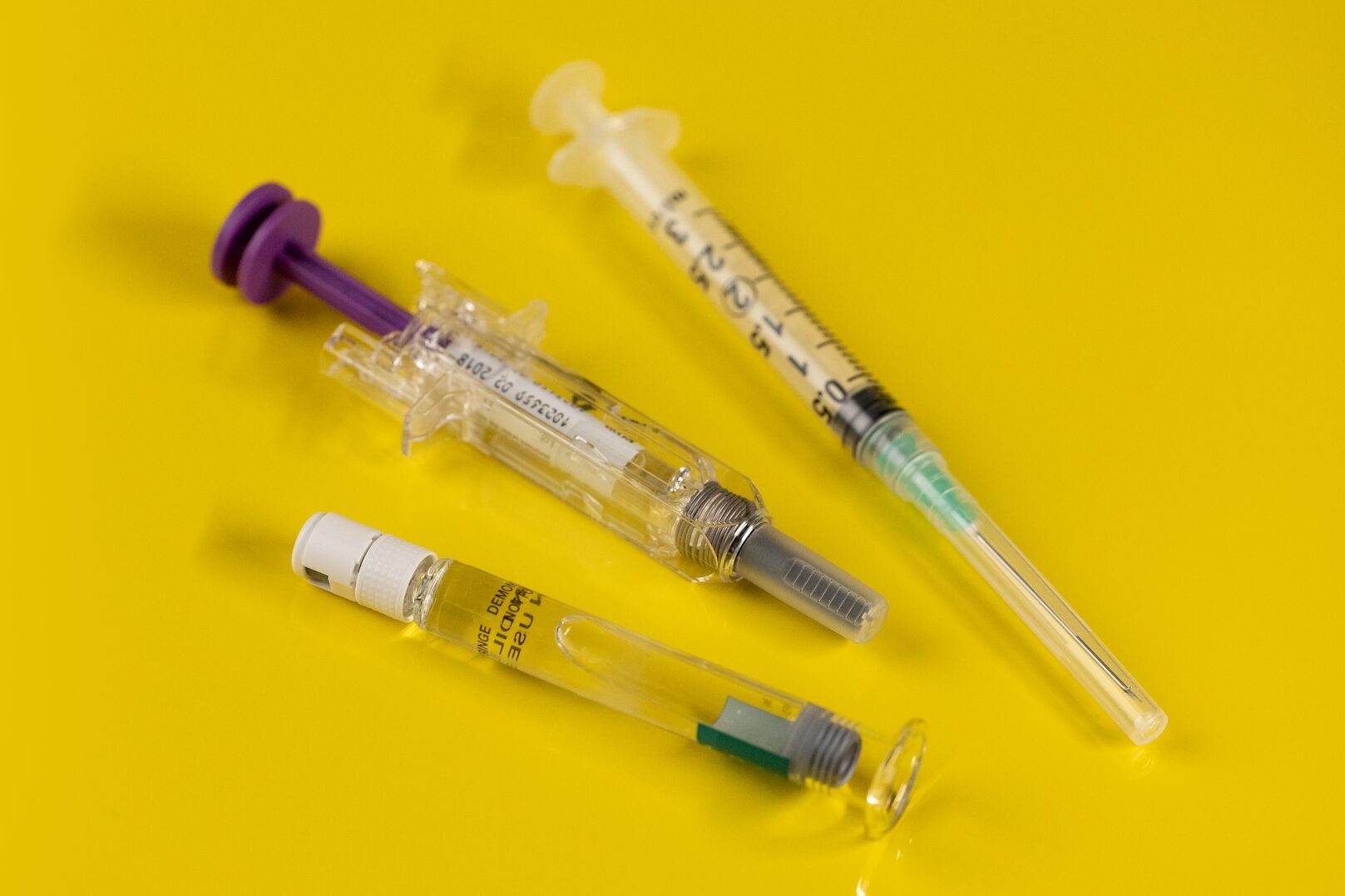
For parenteral packaging and delivery systems containing elastomeric components, integrity is one part of the functional suitability evaluation.
PCL offers testing support related to USP <382>, including container closure integrity and applicable evaluations of penetration force, fragmentation, self-sealing capacity, plunger performance, and closure functionality.

Testing for Your Packaging Configuration
Our team evaluates method suitability for packaging formats such as:
- Vials
- Prefilled syringes and cartridges
- Ampoules
- Blow-fill-seal containers
- IV bags
- Flexible pouches and rigid plastic containers
Package materials, geometry, contents, and headspace all influence method selection. We work with you to understand these factors before establishing the testing approach.

Your Pharmaceutical Packaging Partner
PCL brings testing capabilities and engineering support together to help you address the needs of your pharmaceutical packaging project.
- Multiple testing technologies: An approach selected for your packaging system and study objectives.
- Engineering support: Assistance with method validation, study design, and protocol development.
- Support throughout development: Testing for packaging evaluations, validation activities, stability studies, and investigations.
Frequently Asked Questions
Which CCI method is appropriate for my product?

Method selection depends on the container closure system, product characteristics, required detection capability, and study objectives. Our team can help evaluate these factors and identify a suitable approach.
Are CCI tests destructive?
Some methods, including HGA and vacuum decay, are non-destructive for suitable applications. Dye penetration is destructive. Sample preservation depends on the selected method and test configuration.
Can PCL help with test method validation and study design?
Yes. Our pharmaceutical engineering team can support test method validation, study design, and protocol authorship.
What information should I provide to get started?
Share your packaging format, product characteristics, testing objectives, and anticipated timeline. If you already have a protocol or preferred method, include that information. If you are unsure where to begin, our team can help.
Let’s Discuss Your CCI Testing Needs
PDA Universe - Pharmaceutical Testing Inquiry
Complete the form below and one of our packaging experts will reach out to for more information!